Expert Electrical Contractor Services for Every Need
Skilled electrical contractors provide specialized solutions that handle a wide variety of needs in residential and commercial industries. These specialists guarantee compliance with safety regulations and improve operational efficiency. From installations to energy conservation, their expertise is vital for reducing risks and preventing costly errors. Comprehending the nuances of local codes reinforces their importance. However, navigating the hiring and selection procedure can be complex, raising significant questions about how to identify the suitable contractor for your specific needs.
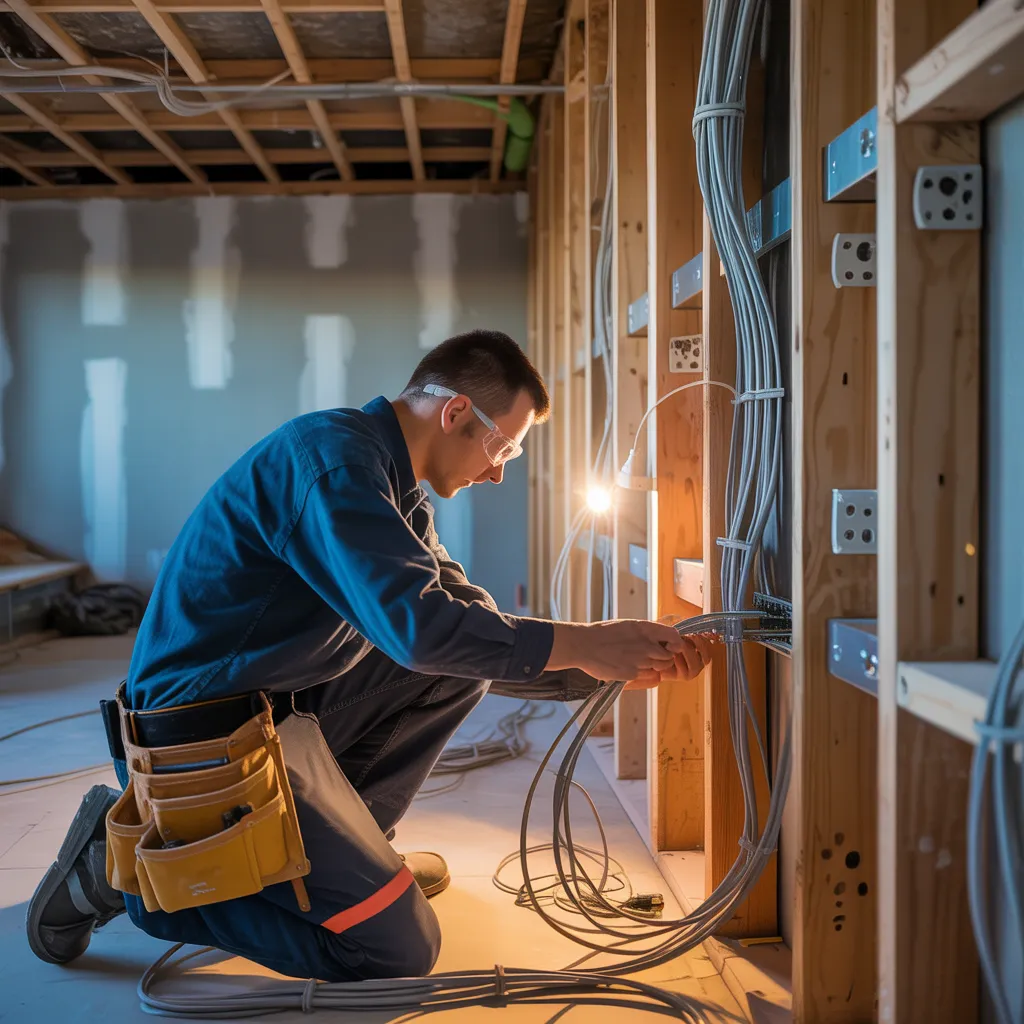
Why Employing a Certified Electrical Contractor Is Essential
Engaging a qualified electrical contractor can greatly impact the protection and operation of a property's electrical system. These specialists possess the essential instruction and background to guarantee that all electrical work follows local codes and regulations. This adherence lowers the risk of dangers such as electrical fires, shock, and equipment failure. Additionally, a skilled contractor can accurately assess the exact electrical needs of a property, providing bespoke solutions that boost efficiency and performance.
In conjunction with safety, retaining an expert can prevent costly blunders that frequently emerge from DIY projects or hiring unqualified individuals. Their proficiency permits swift project completion without sacrificing quality standards. In addition, a trusted contractor generally includes protection plans and assurances, granting peace of mind to homeowners. In the final analysis, the decision to retain a licensed electrical contractor is not merely about comfort; it is an expenditure in the lasting safety and consistency of a building's electrical system.
Common Power Services Offered by Contractors
A broad selection of power system solutions is typically offered by contractors to address diverse client needs. These services include residential wiring, where contractors install and maintain power systems in residential properties, ensuring safety and adherence with local codes. Commercial electrical work encompasses installations and repairs in business environments, emphasizing optimal power consumption and dependable functionality.
Additionally, contractors offer illumination setup and improvements, enhancing both visual appeal and performance in various spaces. They also excel at diagnosing and repairing electrical problems, tackling concerns like dimming fixtures or electrical surges.
In addition, operational efficiency reviews are undertaken to help clients reduce energy usage and cut utility costs. Contractors regularly deliver help with the installation of intelligent home automation, applying cutting-edge technology for superior control and household convenience. To conclude, critical electrical support are provided to fix pressing issues, making certain that consumers receive expedited help when required.
Examining Electrical Contractor Certifications
Reviewing the credentials and qualifications of an electrical contractor is necessary for securing quality and safety in electrical work. Important aspects include the mandatory licenses and certifications, comprehensive insurance and liability coverage, and a demonstrated history of experience. Combined, these components create a basis for judging the contractor's reliability and professionalism.
Permits and Credentials Obligatory
Licensing and accreditations serve as key indicators of an electrical contractor's credentials and adherence to industry standards. Each area has specific licensing requirements that contractors must comply with, often requiring a combination of education, training, and experience. Certifications from acknowledged organizations also affirm a contractor's proficiency in specialized areas such as residential, commercial, or industrial electrical work. These credentials not only secure compliance with local regulations but also reflect a commitment to safety and professionalism. Clients should check these credentials before hiring, as licensed contractors are commonly more experienced about current codes and best practices. Ultimately, proper licensing and certifications increase consumer confidence and support the successful implementation of electrical projects.
Insurance And Liability Coverage
Insurance and liability coverage play critical roles when evaluating the qualifications of an electrical contractor. These protections ensure that both the contractor and the client are protected from possible mishaps. A qualified electrical contractor should hold general liability insurance, which covers property damage or injuries that could occur during the project. Additionally, workers' compensation insurance is essential, as it covers workplace injuries sustained by employees. Clients should confirm that the contractor’s insurance is current and adequate to cover the scope of work. This not only reduces financial risk but also highlights the contractor's commitment to professionalism and safety. Ultimately, comprehensive insurance and liability coverage serve as indicators of a reliable and trustworthy electrical contractor.
Background and Track Record
Experience serves as a base in determining the qualifications of an electrical service provider. A contractor's track record of finished work reflects their capacity to handle various electrical tasks, ranging from home electrical work to intricate business electrical infrastructure. Potential clients should review the contractor's portfolio, seeking successful projects that correspond to their particular needs. Moreover, time in the industry often relate to a greater knowledge of regulatory requirements and safety standards. Client testimonials and reviews can deliver insights into trustworthiness and customer satisfaction. Licenses and licenses additionally confirm a contractor's expertise, showcasing ongoing education and adherence to industry standards. Ultimately, a solid track record facilitates informed decision-making, ensuring clients hire a contractor equipped of providing quality work consistently.
Electrical Contractors and Their Role in Home Renovations
In the intricate interplay of home renovations, electrical firms serve a pivotal role, confirming see now that every wiring and lighting determination enhances both safety and style. Their competence is necessary in organizing and executing electrical layouts that comply with building codes and regulations. From setting up energy-efficient lighting to purposefully placing outlets, these professionals guarantee utility and convenience throughout the home.
Moreover, electrical contractors evaluate existing systems, pinpointing necessary upgrades or fixes that improve overall power consumption optimization. This not only lowers utility costs but also contributes to a more sustainable living environment. They collaborate closely with other tradespeople, aligning their efforts with plumbing, carpentry, and aesthetic components to develop a cohesive renovation plan.
Ultimately, the participation of licensed electricians is crucial for converting a house into a secure, fashionable, and contemporary home, highlighting their importance in any successful renovation project.
Electrical Contractor Expertise for Commercial Spaces
In the context of commercial spaces, electrical contractors are essential in implementing effective electrical systems and energy management systems. These approaches not only improve operational efficiency but also contribute to cost savings over time. By prioritizing advanced electrical solutions, businesses can optimize their energy consumption and improve overall functionality.
Efficient Wiring Installations
Streamlined wiring implementations are fundamental for optimizing efficiency and safety in commercial spaces. A thoroughly planned wiring system strengthens electrical performance while reducing the risk of hazards. Expert electrical contractors review the unique needs of each facility, ensuring that wiring is engineered to support various applications, from lighting to heavy machinery. By utilizing superior materials and adhering to industry standards, they prevent maintenance issues and extend the lifespan of electrical systems. In addition, effective wiring designs foster future upgrades and expansions, allowing businesses to adapt to evolving technological demands. Ultimately, investing in streamlined wiring systems not only maximizes operational efficiency but also contributes to a safer working environment, promoting overall productivity and peace of mind for both employers and employees.
Power Administration Systems
Perfecting electrical systems moves past streamlined wiring arrangements; it comprises the introduction of EMS that boost energy efficiency in commercial spaces. Energy management platforms offer continuous observation and control of power usage levels, permitting ventures to identify consumption trends and behaviors and cut down on inefficiency. By combining next-generation solutions, such as smart meters and automated controls, EMS can substantially cut expense burdens while promoting environmental consciousness. Electrical contractors are indispensable for structuring and installing these infrastructures, guaranteeing they accommodate specific commercial needs. With personalized EMS solutions, organizations can secure greater power performance, maintain compliance standards, and strengthen their overall operational performance. Implementing an EMS helps the bottom line and simultaneously furthers a more sustainable future.
Methods to Present Your Specifications With Building Experts
Expressing project needs clearly is vital when partnering with electrical contractors. Clients should begin by establishing the project scope, noting the type of work required, whether it's new installations, upgrades, or repairs. Communicating comprehensive information helps contractors recognize expectations and necessary resources.
In addition, clients should communicate their cost limitations and timelines. Providing these parameters allows contractors to suggest realistic remedies and timetables. It is also constructive to discuss any specific preferences for materials or methodologies, as well as any relevant safety or regulatory points.
Visual aids, like illustrations or pictures, can further boost understanding. Promoting clear communication builds a collaborative atmosphere, helping contractors to ask clarifying questions and suggest alternatives. To conclude, establishing a main liaison guarantees efficient communication through the project. By following these guidelines, clients can effectively share their needs, resulting in favorable project outcomes.
A Overview to the Electrical Work Steps
What might an individual anticipate during the electrical work phase? To start, the electrical contractor will perform an assessment of the project specifications, discussing the scope and any particular worries. After this, they will deliver a comprehensive quote, outlining expenses and schedules. Once the agreement is in effect, the contractor will arrange the job and secure any necessary permits.
Throughout the real project, you can expect transparent dialogue about progress and potential disruptions. The contractor will ensure that safety protocols are followed, minimizing risks to both workers and residents. As the project advances, assessments may occur to ensure compliance with local codes.
Upon finishing, the contractor will undertake a final walkthrough, handling any issues and guaranteeing all systems function correctly. Finally, they will provide documentation, encompassing warranties and upkeep tips, ensuring that the homeowner is knowledgeable about their new electrical installations. This meticulous process targets to deliver reliable and efficient electrical solutions.
Commonly Asked FAQ
What Is the Average Price of Engaging an Electric Professional?
The standard rate for hiring an electrician typically spans from $50 to $100 hourly, relying on the project's complexity and region. Predetermined fees for specific work might apply, with considerable variation.
What Timeframe Should You Anticipate for Standard Electrical Work Finishing?
Typical electrical work take varying amounts of time, often lasting from a few hours up to several days, determined by the project's complexity. Important elements including the type of installation, how the existing wiring is configured, and how efficiently the contractor works significantly impact completion time.
Is Authorization for Electrical Contractors Required in Every State?
Electrical contractors are generally required to be certified in most states, ensuring they meet specific education and experience standards. However, certification requirements can vary considerably, so it's important to check local codes for precise information.
Am I able I Do Any Electrical Work by myself?
Homeowners can perform some basic electrical projects themselves, such as installing new outlets and light fixtures, but must respect local codes. For complex tasks, hiring a licensed professional is wise to guarantee safety and compliance.
What Ought I Do in Case of an Electric Emergency?
When facing an electrical crisis, individuals should immediately shut down the power at the circuit breaker, keep away from any live wires, and contact a skilled electrician for aid to guarantee safety and proper resolution.